Open now
India
Every state and union territory
178garment styles132crafts80occasions14regions
The deepest of the seven, and the one worked longest. Fourteen regions, each holding cloth, craft and garments of its own.
Lifestyle & markets
ZZEESS is a lifestyle catalogue for the world, with clothing as the largest part of it — and not the whole of it.
Not only what is worn on the body, but what is worn on the feet, carried, fastened at the waist, put on the head and hung at the neck. Of the 289 things it can describe, 130 are not apparel — nearly half.
The seven markets are peers rather than one home market and six exports. They differ in depth — India is the deepest and Africa the newest — and every figure is printed per market rather than averaged, so the difference can be read instead of guessed at.
The hard part, and the part everything else rests on: each market holds words of its own. An abaya is not a kaftan. A shayla is not a dupatta. A baju kurung recut to the body is a different row from the loose one, because the loose blouse is what makes it a baju kurung. Nothing here is one wardrobe with the labels swapped.
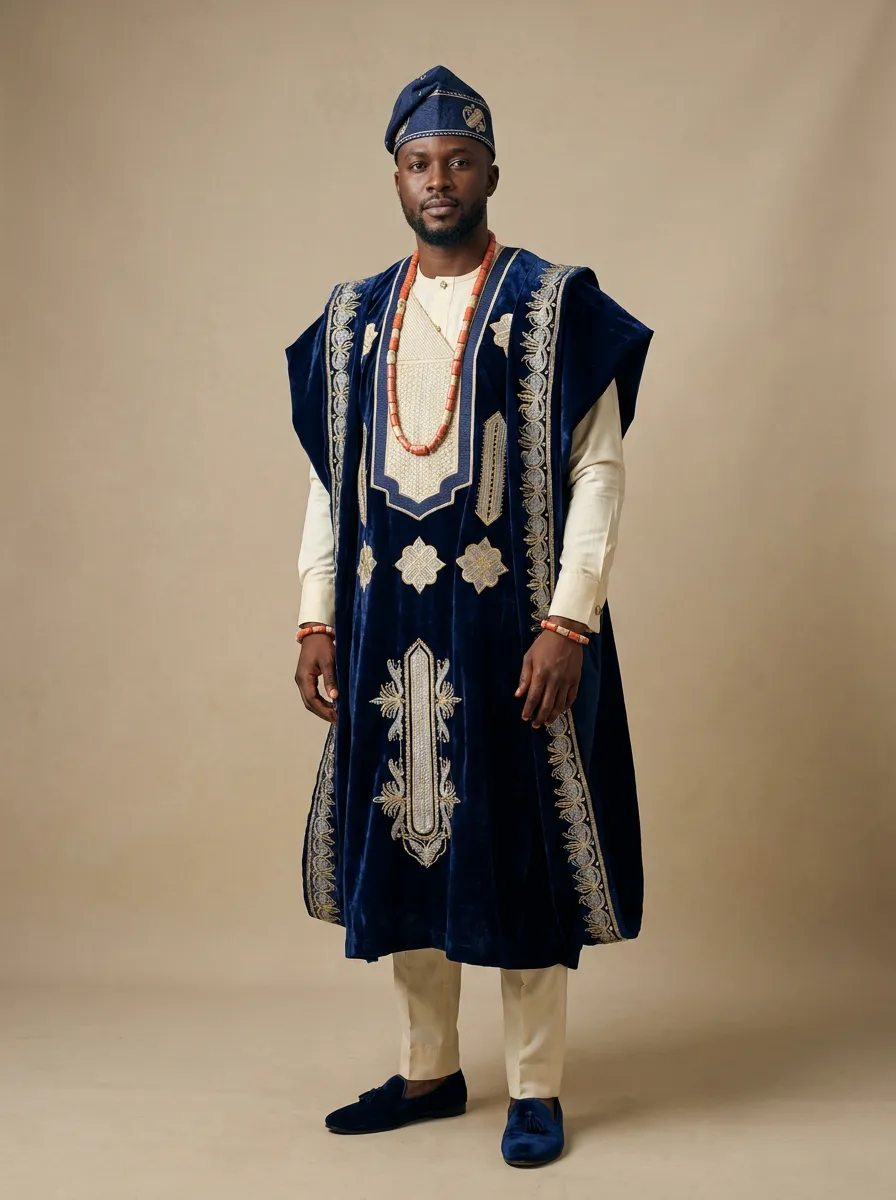
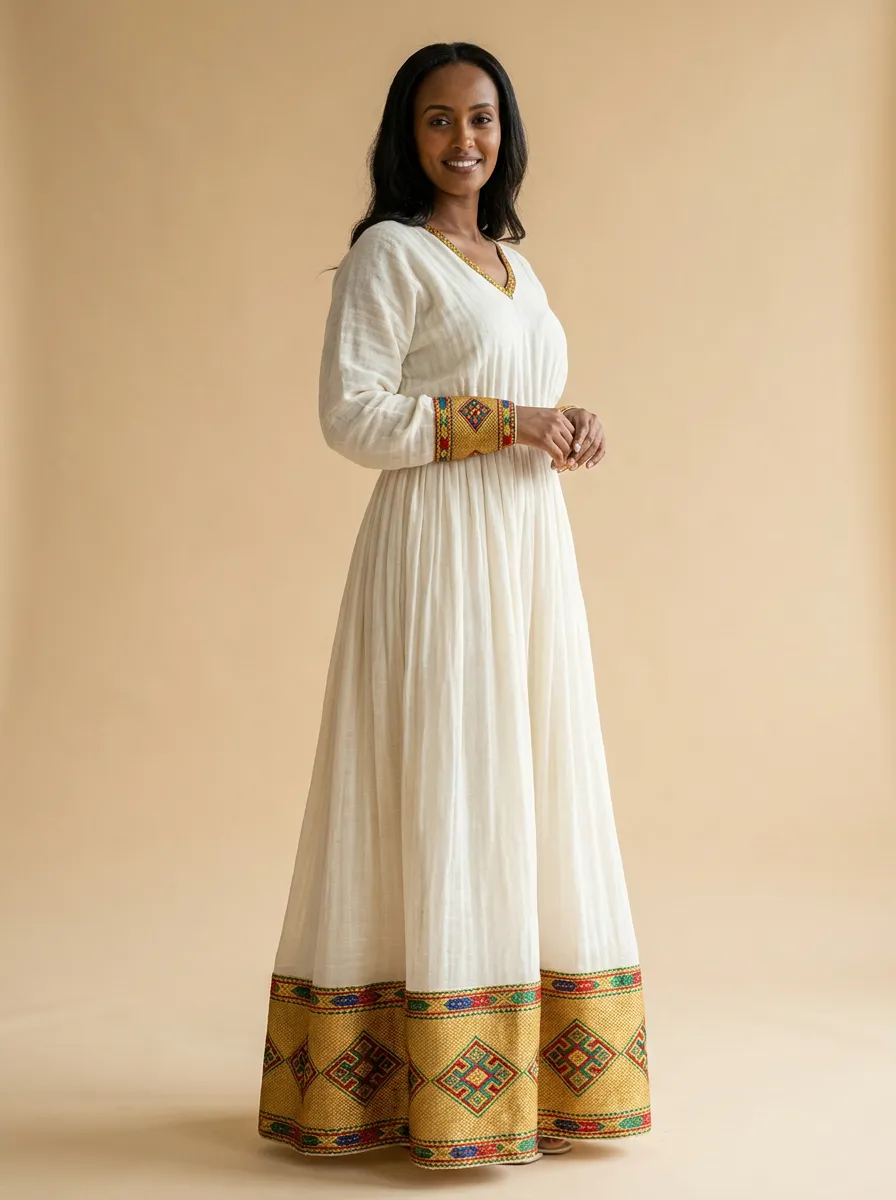
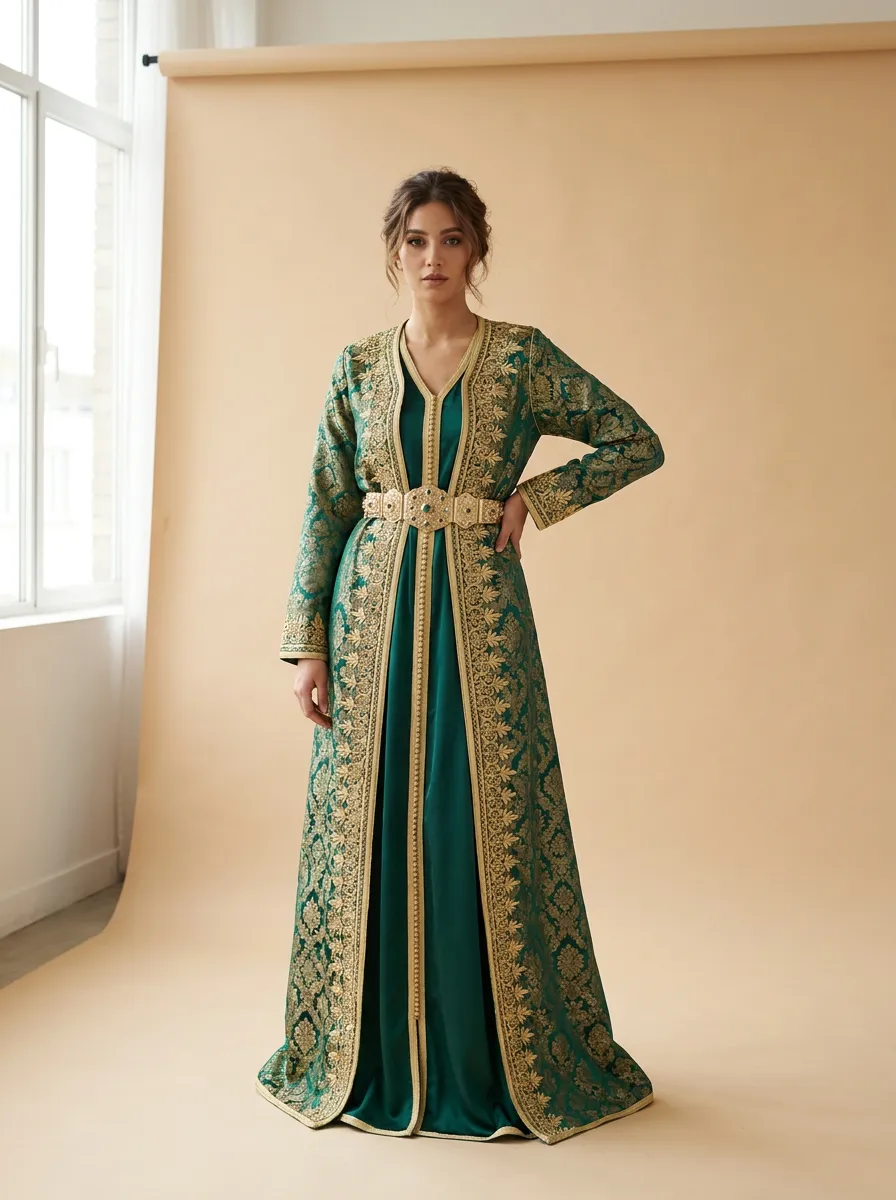
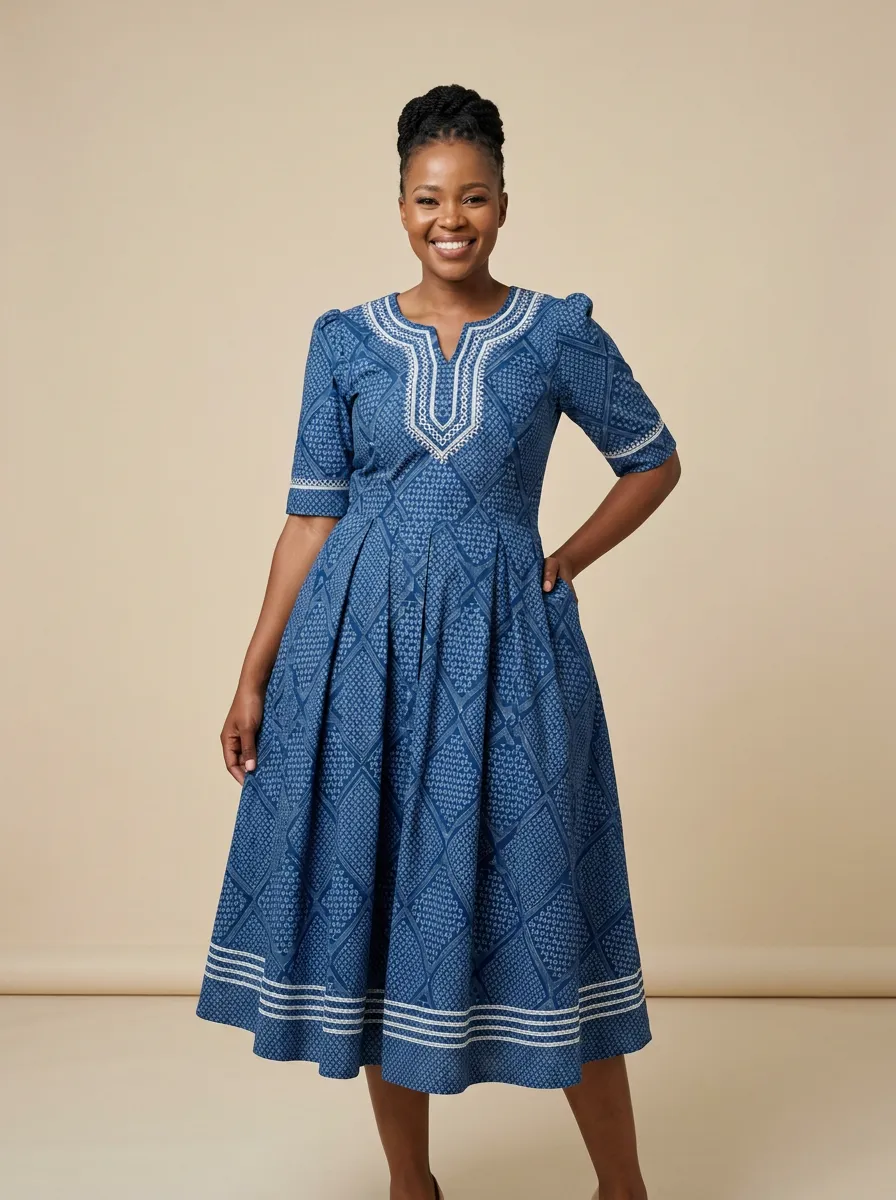
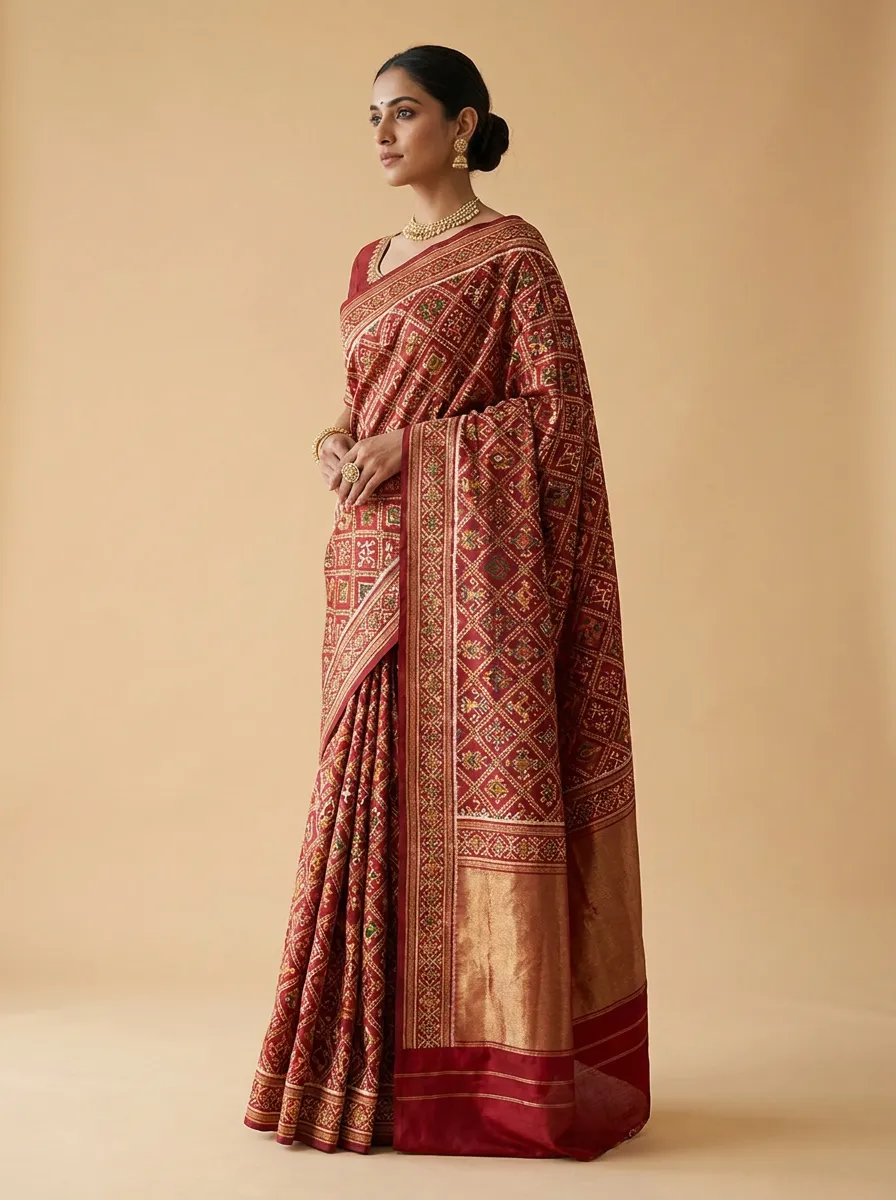
Designs made and owned here. Nothing borrowed: a page showing a garment we did not make is a promise about output that the output did not make.
Distinct rows, not columns added up
Every figure is a count across all seven markets. They are not the per-market columns added together: a garment offered in three markets is one garment, and summing the columns would count it three times.
It was never only clothes
Apparel is the largest single category at 159 of the 289. The other 130 — footwear, bags, belts, jewellery, headwear and scarves — are not clothes, and each category is costed on its own baseline because a sandal and a bridal lehenga cannot share one.
There is no furniture here, no interiors, no fragrance and no eyewear: there are no rows for them. Lifestyle means how a person is dressed for the whole of their life, in more than clothes, and it stops where the rows stop.
Apparel
Everything worn on the body.
159 of 289 — the largest, and not the whole
Footwear
Juttis, kolhapuris, babouche, heels, boots.
Bags
Potlis, clutches, raffia baskets, totes, pouches.
Belts & waist
Kamarbandhs, sashes, obi belts, waist ornament.
Jewellery
Coral bead sets, Berber fibulae, kundan, polki, temple gold.
Headwear
Turbans, gele, kofia, tudung, isicholo, veils, hats.
Scarves & drapes
Dupattas, netela, shuka, kikoi, stoles, silk scarves.
Seven peers
All seven are switched on, the last of them on 25 September 2026. None is a filter over another: each holds its own garments, its own occasions and its own dress rules, which is why its words can be printed and checked. Regions are counted where they exist and shown as nought where they do not.
Every state and union territory
The deepest of the seven, and the one worked longest. Fourteen regions, each holding cloth, craft and garments of its own.
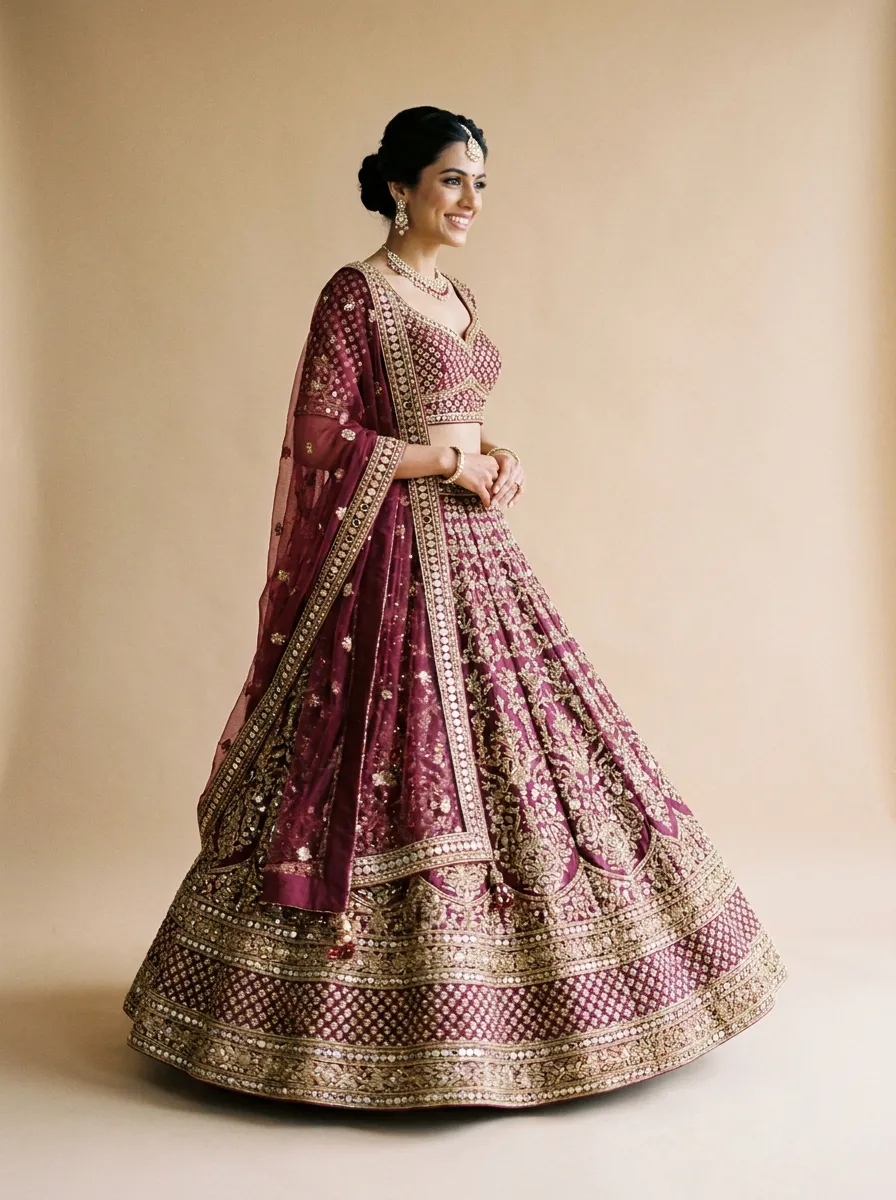
United States · United Kingdom · Canada · Australia · Gulf states
Indian garments, worn under conditions India never imposes. Its own market because the wearing changes, not the wardrobe.
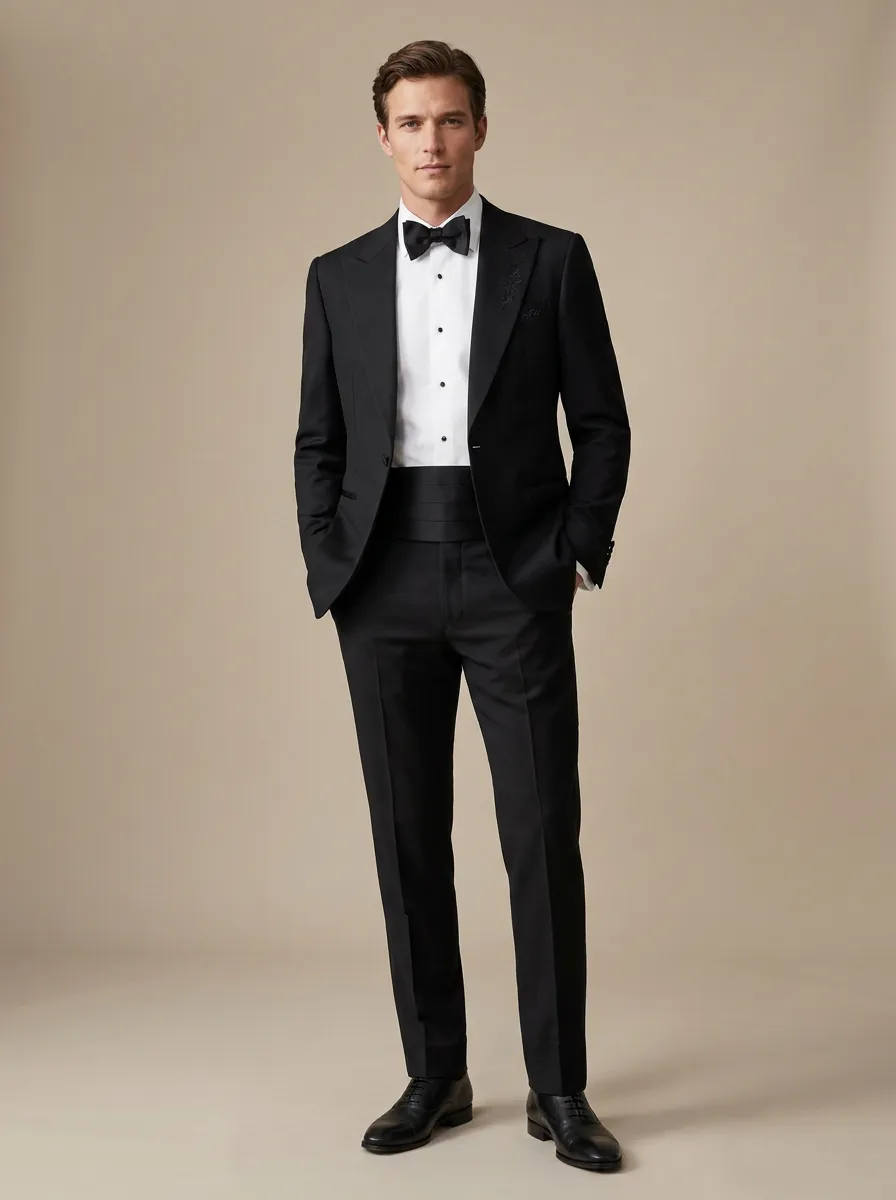
Italy · France · UK & Ireland · Iberia · Alpine · Nordics · Central & Eastern
Seven regions, and the reason each one earned a row: it asks something of the garment that its neighbour does not.
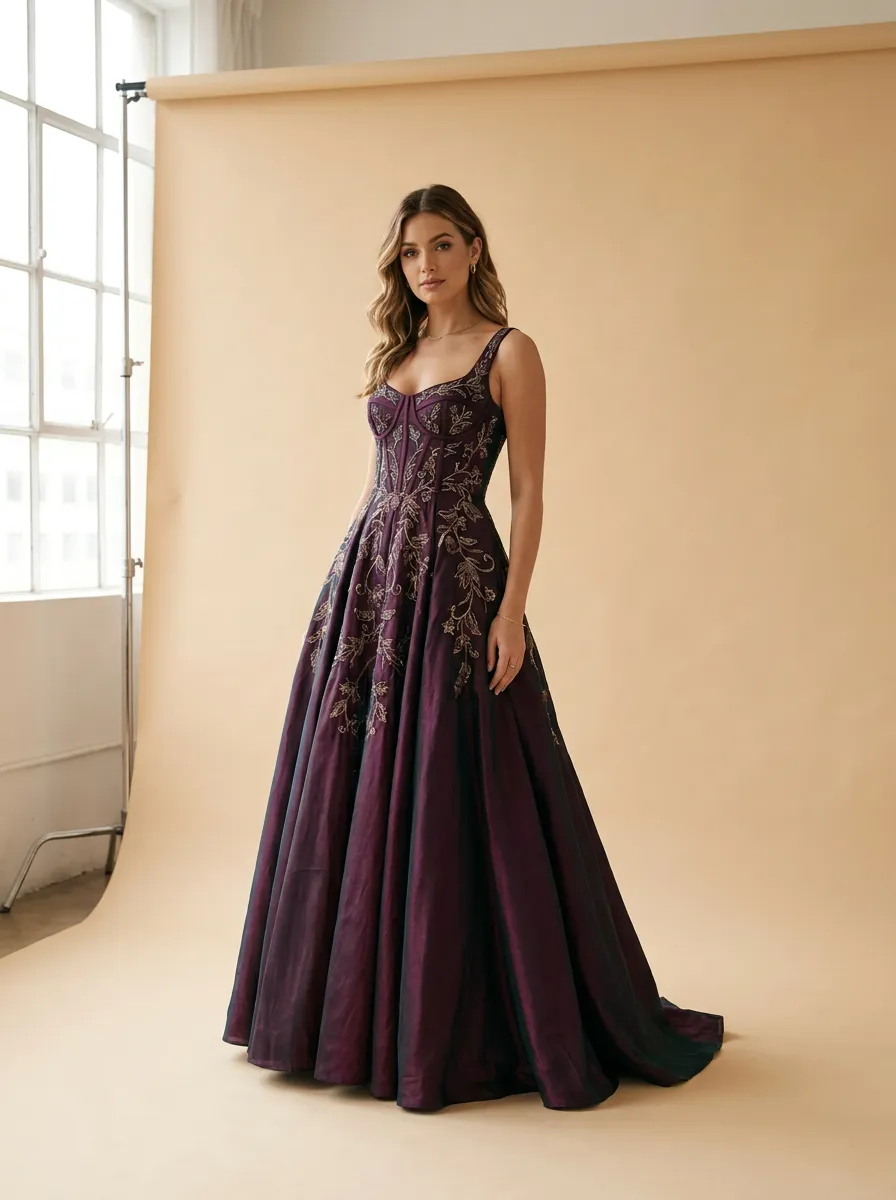
United States · Canada
Shares most garments with Europe and almost none of its occasions. The calendar is what makes it a separate market.
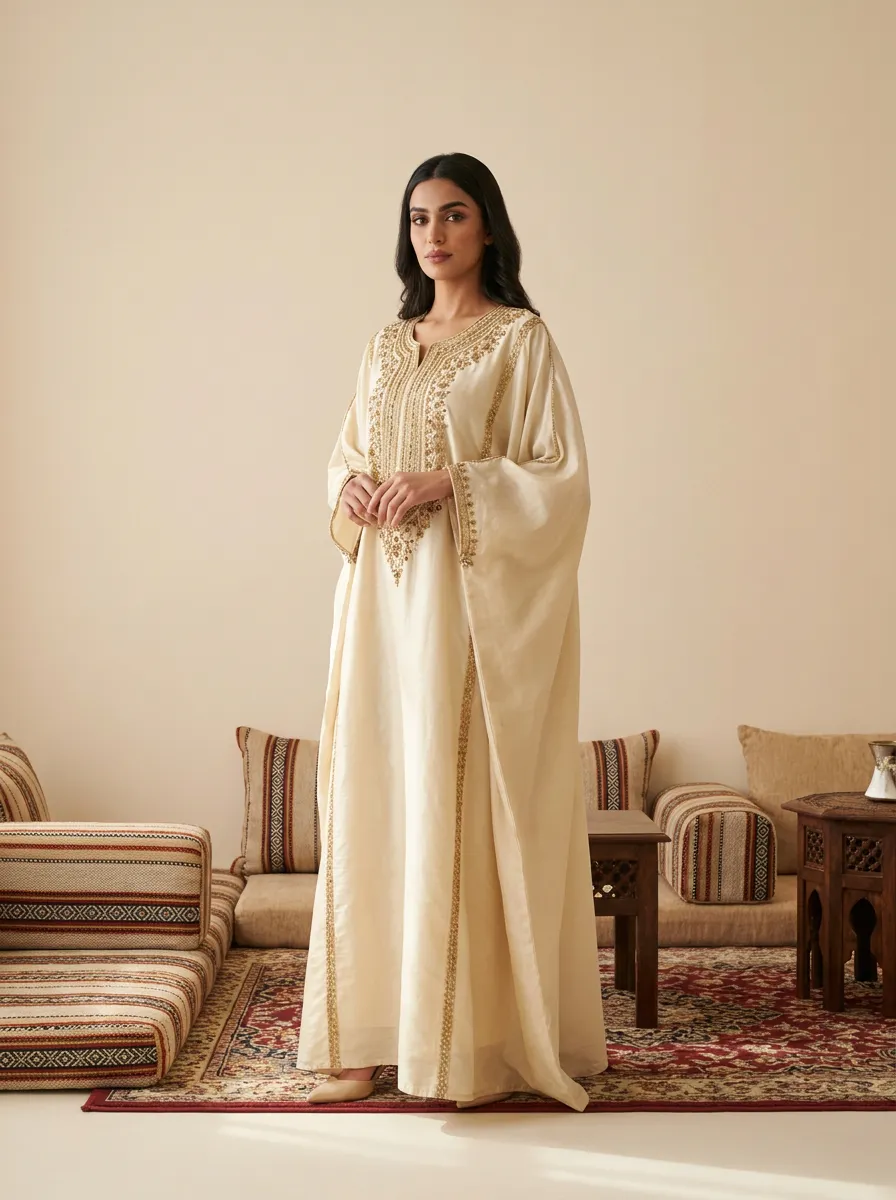
UAE · Saudi Arabia · Qatar · Kuwait · Bahrain · Oman
Where modest dressing is the default rather than a variant, and the garments are not Indian ones under other names.
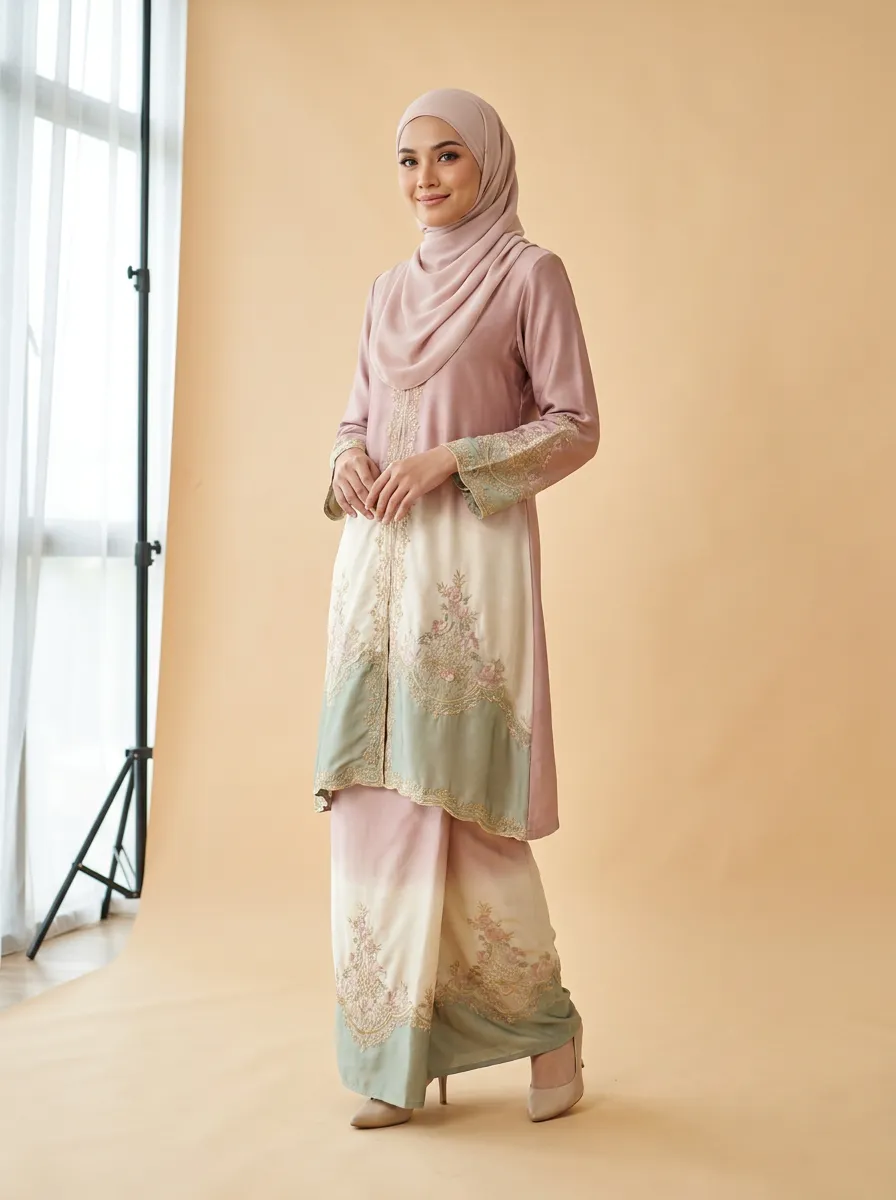
Malaysia · Indonesia · Singapore · Brunei
Modest and humid, with a strong garment tradition of its own and weaving crafts that belong to nobody else.
West · East · Southern · North
Four separate wardrobes under one market, seeded one at a time. Fifty-four countries do not share a wardrobe.
The thing a longer list cannot fake
A longer word list is easy. What is not easy is holding one word twice because two places work it differently — and that is the thing a photograph shows. Below, four crafts the catalogue describes in more than one way, in the words it actually sends.
The rule these obey is worth stating: a regional note says how a craft is worked. It never says what to put on the garment. Otherwise a note written to add flavour quietly renders gold thread onto a design that asked for none.
North
Metal wire and coiled thread couched onto the surface in high relief, built up thick enough to catch light from the side, massed so densely that the ground cloth barely shows between the elements.
Gujarat
Flat metal thread laid close to the surface in fine outlines and open fills, the ground cloth visible between the lines, catching light evenly rather than in raised points.
Why the hand differs. Delhi and Lucknow work zardozi heavy and raised — the court tradition, where weight was the point. Surat works the same materials flat and fast, as a line rather than as a relief. The two read as different crafts in a photograph, and the catalogue held one sentence for both.
Gujarat
Very small tied dots packed in dense even rows, each one a tiny ring of undyed cloth with a coloured centre, the pattern reading as fine texture from a distance.
Rajasthan
Larger tied dots set further apart on an open ground, arranged in clear figures and borders, each ring plainly visible as an individual mark.
Why the hand differs. Kutch ties the smallest dots in India and packs them tightest — the fineness is the measure of the work and the thing a buyer pays for. Jaipur and Jodhpur work it larger and more openly, so the pattern is read as shapes rather than as texture. Same dyeing, different scale, and the scale is what shows.
Nordics
The ground cut away inside squared blocks of close flat stitching, every opening a rectangle held to the grain of the cloth, the threads left standing across them wrapped into bars and star-shaped fillings.
Italy
Openings cut in a regular grid and then filled again by hand, each square bridged by needle-made bars, rings and small wheels, so the cut areas read as drawn ornament rather than as plain holes in the cloth.
Why the hand differs. The Nordic hand holds cutwork to a grid — every hole a square, never a curve — and the openings are the pattern. The Italian hand does not leave a cut square empty; it refills it. One photographs as holes, the other as pattern, and until this row existed a Nordic brief and an Italian brief got the same sentence.
Zulu
Small glass beads in flat geometric blocks of solid colour, worked in panels with sharp edges and a white ground between them, the colours placed deliberately rather than scattered.
Ndebele
Beads worked in bold stepped bands and rectangles with strong outlines, the shapes large and the colour fields flat, echoing the geometry painted on house walls.
Why the hand differs. Zulu beadwork is read, not merely looked at — the colour placement carries marital and social meaning, which is why the blocks are clean-edged and the ground is left plain. Ndebele beadwork and Ndebele wall painting are the same visual language in two materials, at a much larger scale. The two should never render alike.
North
Fine white cotton thread on white cloth, the pattern read as texture and shadow rather than colour, with the densest stitches worked from the reverse so the motif shows through the ground as a soft bloom.
Most crafts are worked the same way wherever they are worked. Lucknow's own hand. The whole tradition is white-on-white, and its most prized stitch is a herringbone worked on the back of the cloth — which is why the work reads as shadow rather than as line. Coloured chikankari exists and is a later export habit, so the catalogue records which of the two it means.
The part nobody prints
Kente is seeded as the weave and its named cloths are not, because some of those are royal or clan property. A kilt is in the catalogue and no named sett is, for the same reason in a different alphabet. Iban pua designs are held as named designs with their own standing, so the weave is entered and the designs are not.
Two northern European dress traditions are absent on purpose: both carry family and district in their detail and both have contested rules about who may wear them. The answer recorded in the risk register was to leave them out until somebody who can speak for them is asked, rather than approximate them and be wrong in public.
Adinkra is a writing system — each symbol carries a meaning — so it is entered as a motif whose note says exactly that, and its placement is the stamped border it actually occupies rather than a scatter across a dress.
Each market page carries its own list of the same kind. Where a detail could not be verified it was left out, and an empty region is treated as worse than an absent one — this platform switched a whole market on holding nothing once, and had to switch it back off.
Registration is closed while the last of the catalogue is finished. Ask for access and we will come back to you.