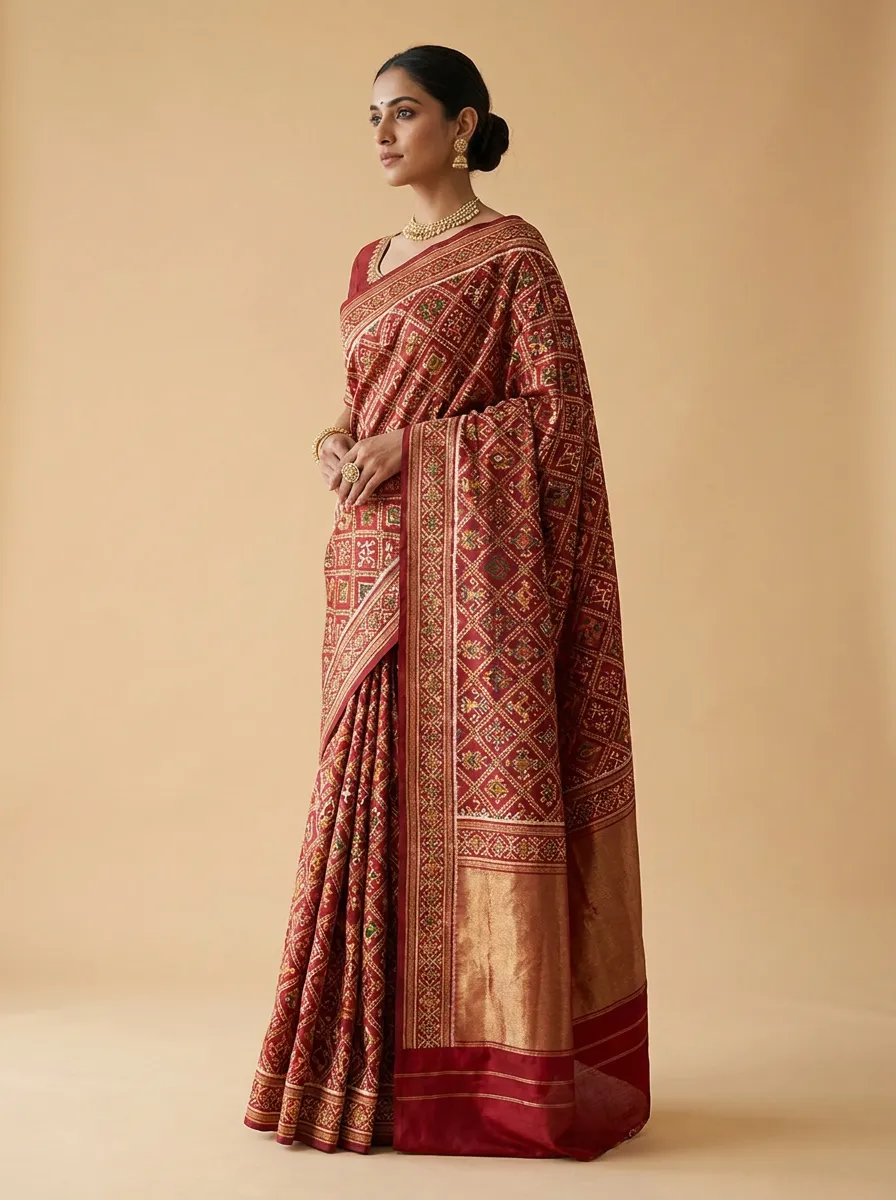
Open now
India
Every state and union territory
178garment styles132crafts80occasions14regions
The deepest of the seven, and the one worked longest. Fourteen regions, each holding cloth, craft and garments of its own.
About
ZZEESS is a lifestyle platform for the world. It holds a described catalogue of what people wear for the whole of their life — and the words the wearing is described in.
Seven markets, every one of them open, and seven categories, of which apparel is one. None of the seven is another one translated: an abaya is not a kaftan, a baju kurung recut to the body is its own row, a takchita is not a caftan with a belt, and a morning suit is not a tuxedo.
India is the deepest of the seven and the others are not extensions of it. Each keeps its own words, its own occasions and its own dress rules.
None of that is visible to you. What you see is something that belongs to the thing you are dressing for, made by somebody who makes that thing, at a price agreed before anyone starts.
Everything below can be checked. That is the only reason any of it is worth printing.
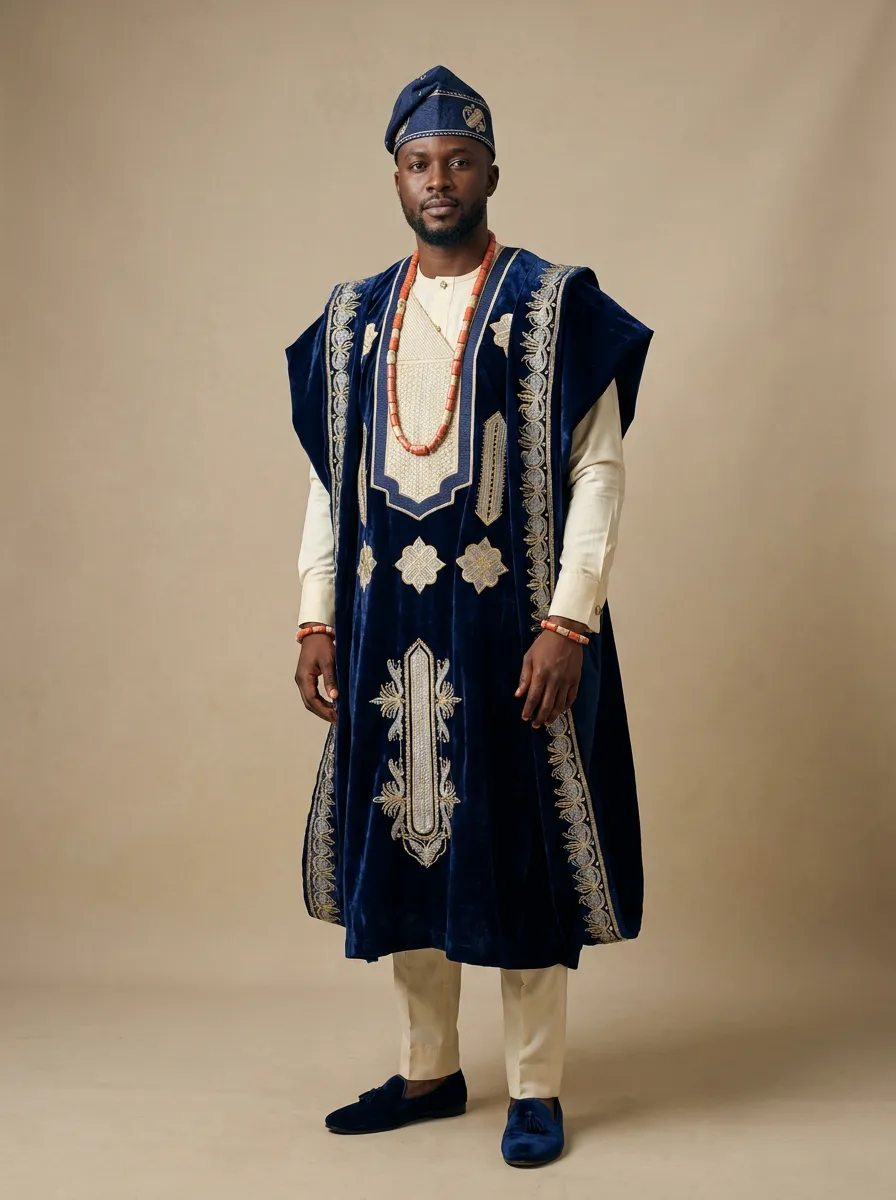
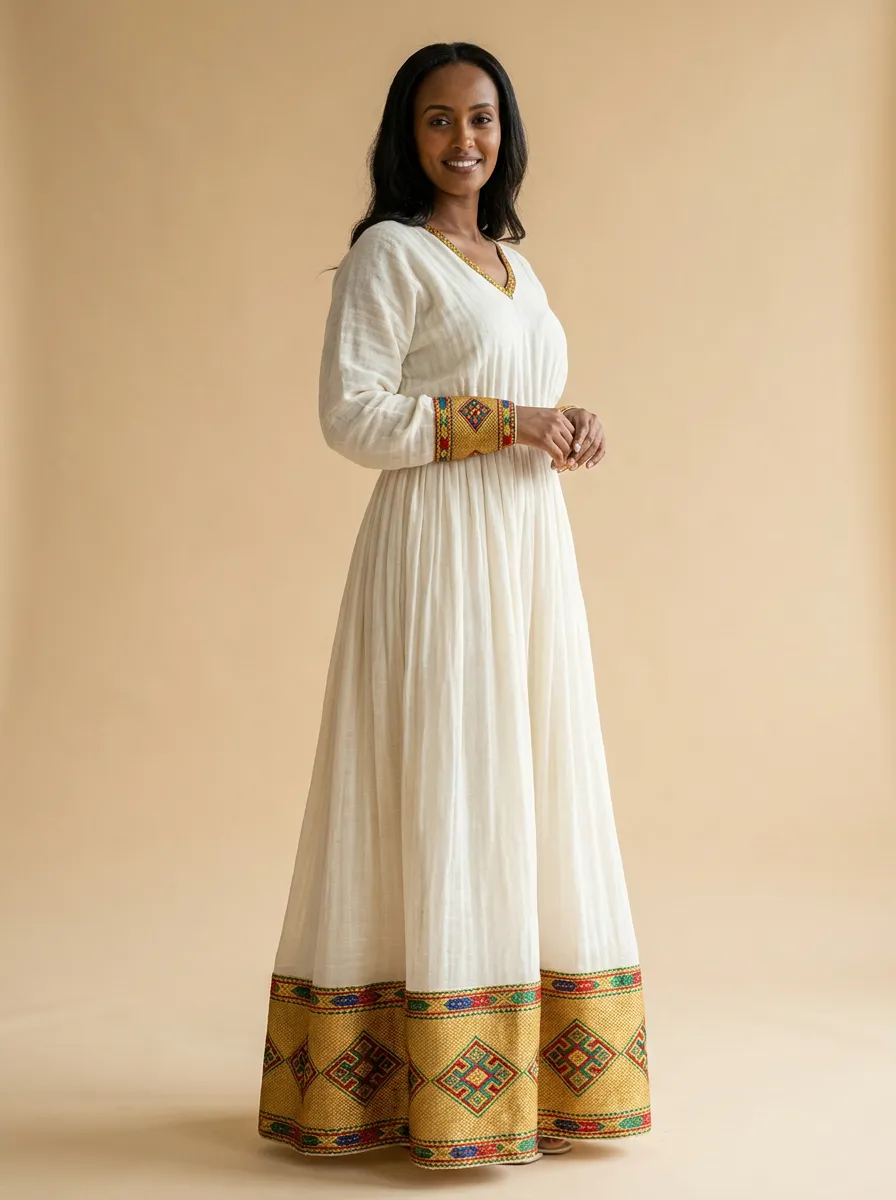
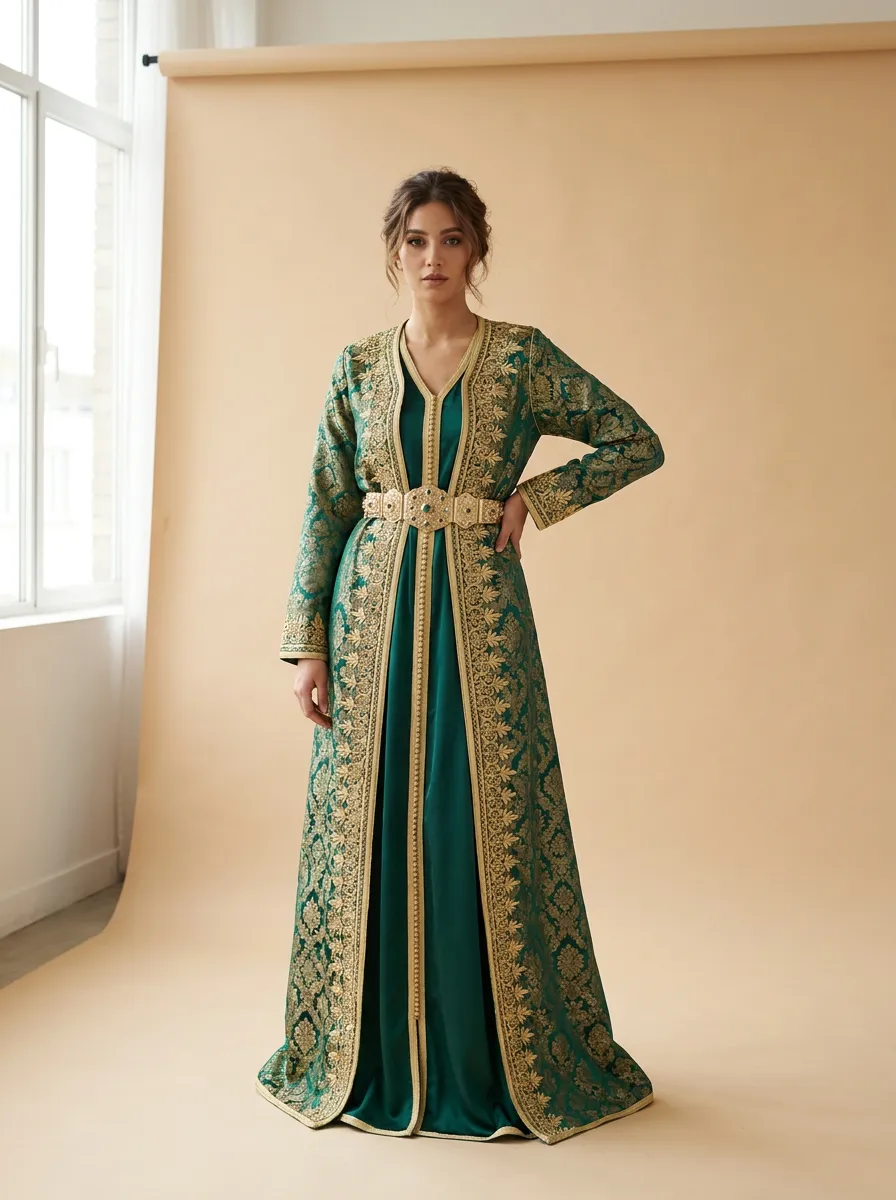
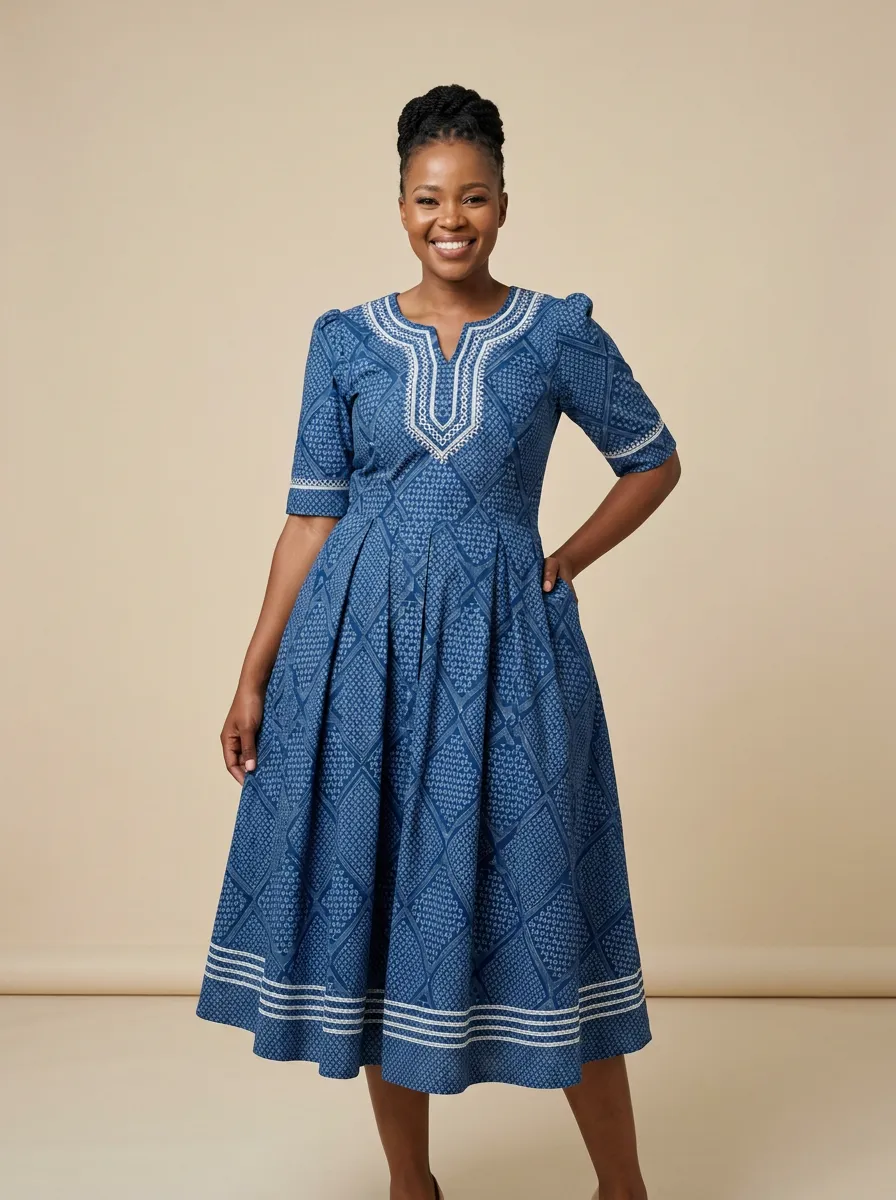
Designs made and owned here. Nothing borrowed: a page showing a garment we did not make is a promise about output that the output did not make.
The core discipline
A garment carries a cut, a cloth, a craft, a motif, a region and an occasion all at once, and getting any one of them wrong is visible in a photograph. Nothing else worn is asked that many questions simultaneously.
So it is the major part of this and the part the method was proved on. The same catalogue then carries what goes on the feet, what is carried, what fastens at the waist, what is put on the head and what is hung at the neck — because nobody dresses in only one of those.
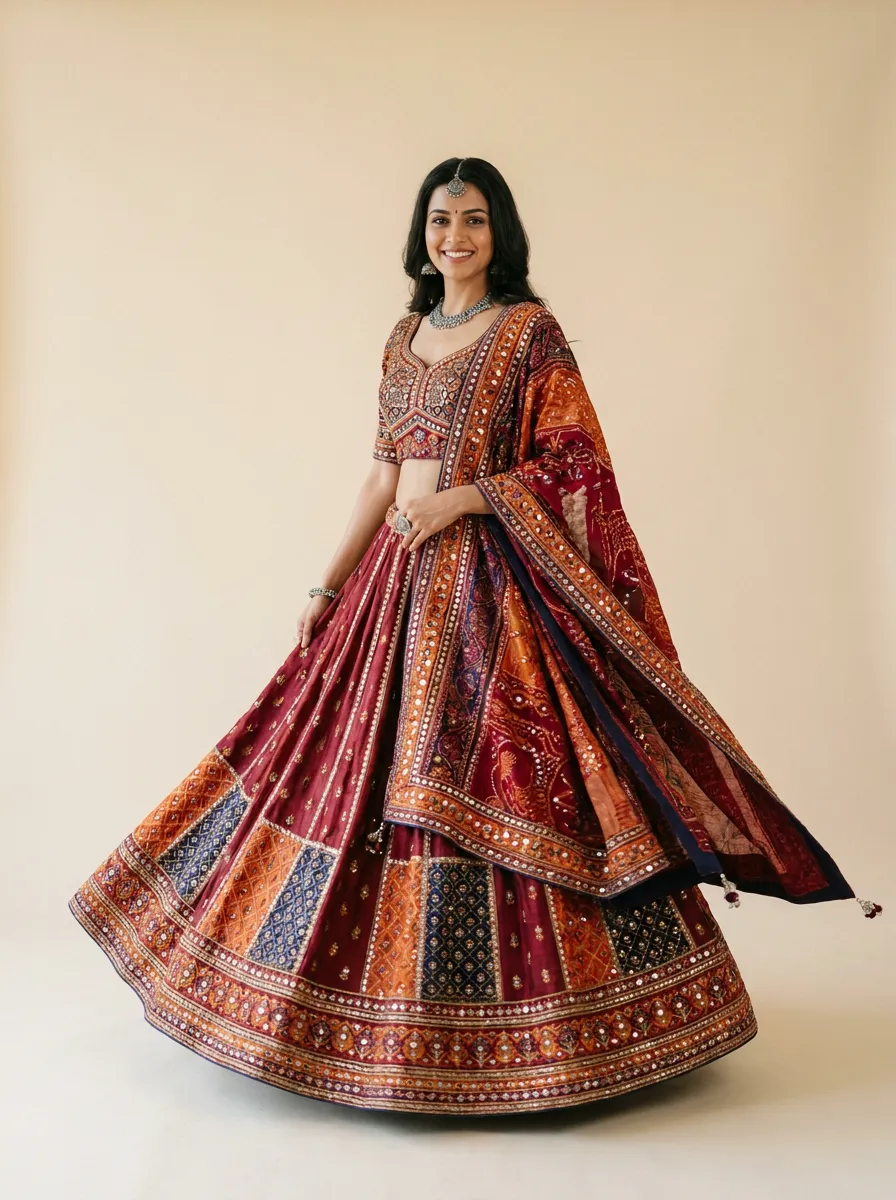
Lifestyle, in figures rather than adjectives
Footwear, bags, belts, jewellery, headwear and scarves — 130 of the 289 things the catalogue can describe. Written as the division rather than as a percentage, so the two numbers it comes from are on the page beside it and a reader can check the arithmetic instead of trusting it. Apparel is the largest single category and it is not the whole, and a platform that said “lifestyle” and meant only garments would be using a bigger word for a smaller thing. Each category has its own costing and its own makers: a sandal and a bridal lehenga cannot share one baseline, and before the categories existed the cost model quietly applied the apparel floor to everything.
It stops where honesty stops. There is no furniture here, no interiors, no fragrance and no eyewear, because there are no rows for them. Lifestyle here means how a person is dressed for the whole of their life, in more than clothes — not a product range that does not exist.
The seven
Apparel
Everything worn on the body.
Footwear
Juttis, kolhapuris, babouche, heels, boots.
Bags
Potlis, clutches, raffia baskets, totes, pouches.
Belts & waist
Kamarbandhs, sashes, obi belts, waist ornament.
Jewellery
Coral bead sets, Berber fibulae, kundan, polki, temple gold.
Headwear
Turbans, gele, kofia, tudung, isicholo, veils, hats.
Scarves & drapes
Dupattas, netela, shuka, kikoi, stoles, silk scarves.
The tailor’s way round
In any language. Ask most shops for occasion wear and you get a shelf; ask a tailor and the first question back is what it is for, because the answer decides the garment, the cloth, the handwork and half the price. This is built that way round — separate things that know about each other, so that asking for a garba night gets a chaniya choli in cotton with mirror work, and asking for a Tamil wedding does not.
A chaniya choli is not a lehenga. A nauvari is not a six-yard saree. An abaya is not a kaftan. A jutti is not a babouche, and a gele is not a hat. Each is its own entry, in whichever of the seven categories it belongs to.
Zardozi worked in the north is raised and massed; worked in Gujarat it is flat line-work with the ground showing between. Held apart, because they look nothing alike.
What the cloth is, as against what was done to it — and how it falls, which decides what can be made from it.
A sangeet, a majlis, an owambe, a passeggiata, a job interview, a funeral, a graduation, a poolside afternoon. They span a life rather than a season, and each knows which garments it actually means.
Twenty-five of them across three markets, and nought in the other four. Region is recorded where it belongs — on the cloth and the craft, not stamped on a person.
The houses and karigars who work in each craft, so a brief reaches someone who actually makes that thing.
Not a filter over one shelf
Each holds its own garments, its own occasions and its own idea of what dressed means.
Indian traditional, and the traditional dress of everywhere else we serve — held as itself, not as an Indian garment renamed.
Indian craft on a western cut. The embroidery of Lucknow on a gown that would pass at a reception anywhere.
Tailoring, dresses and separates — the office, the party, the everyday, and the black-tie vocabulary that has no Indian equivalent.
Holiday dressing — the beach, the poolside and the evening after. Light, loose and unstructured.
Seven peers
The easy thing would be to sell one country’s clothing abroad and call the rest of the world a single export market. We did the opposite: an abaya, a baju kurung, a takchita, a dirndl and a morning suit are each in the catalogue as themselves, with the dress rules of the place they belong to. All seven are open. They differ in depth, and each one prints its own figures rather than an average.
Every state and union territory
The deepest of the seven, and the one worked longest. Fourteen regions, each holding cloth, craft and garments of its own.
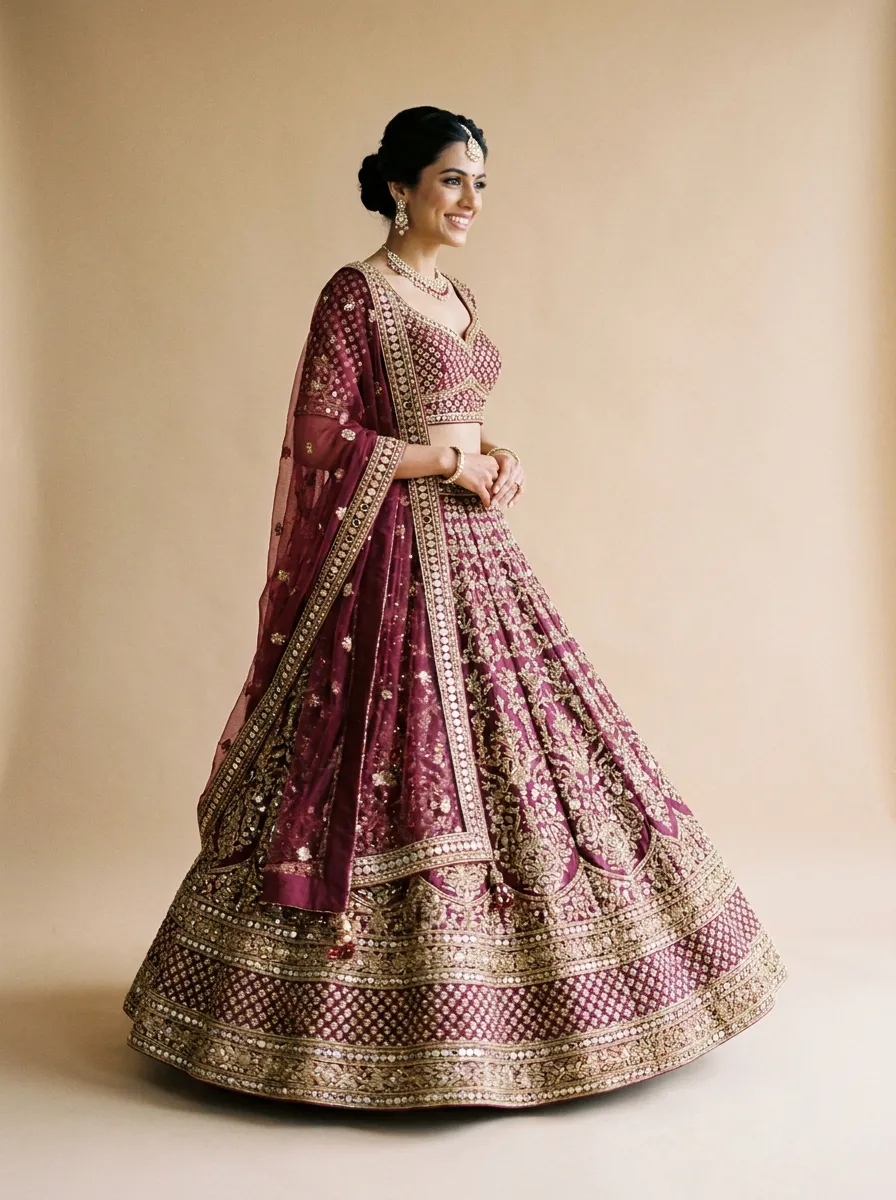
United States · United Kingdom · Canada · Australia · Gulf states
Indian garments, worn under conditions India never imposes. Its own market because the wearing changes, not the wardrobe.
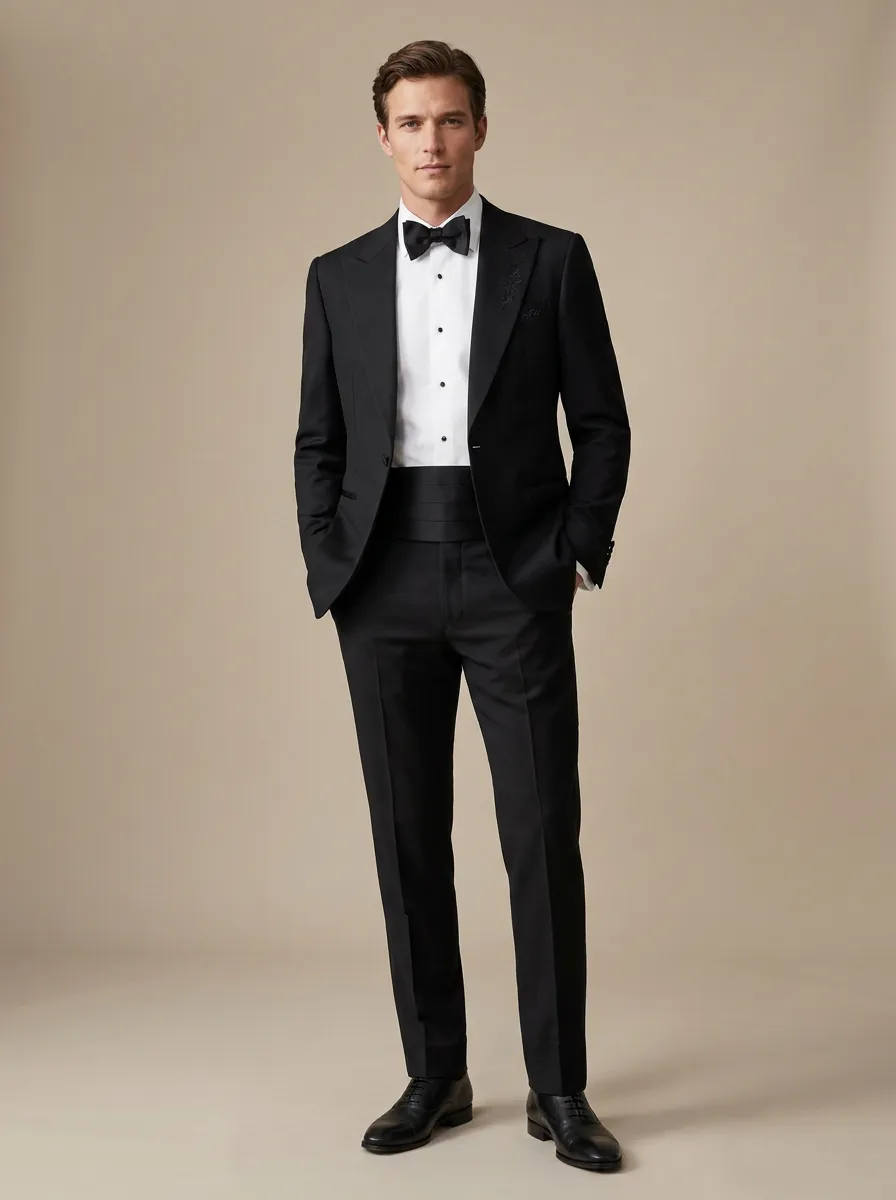
Italy · France · UK & Ireland · Iberia · Alpine · Nordics · Central & Eastern
Seven regions, and the reason each one earned a row: it asks something of the garment that its neighbour does not.
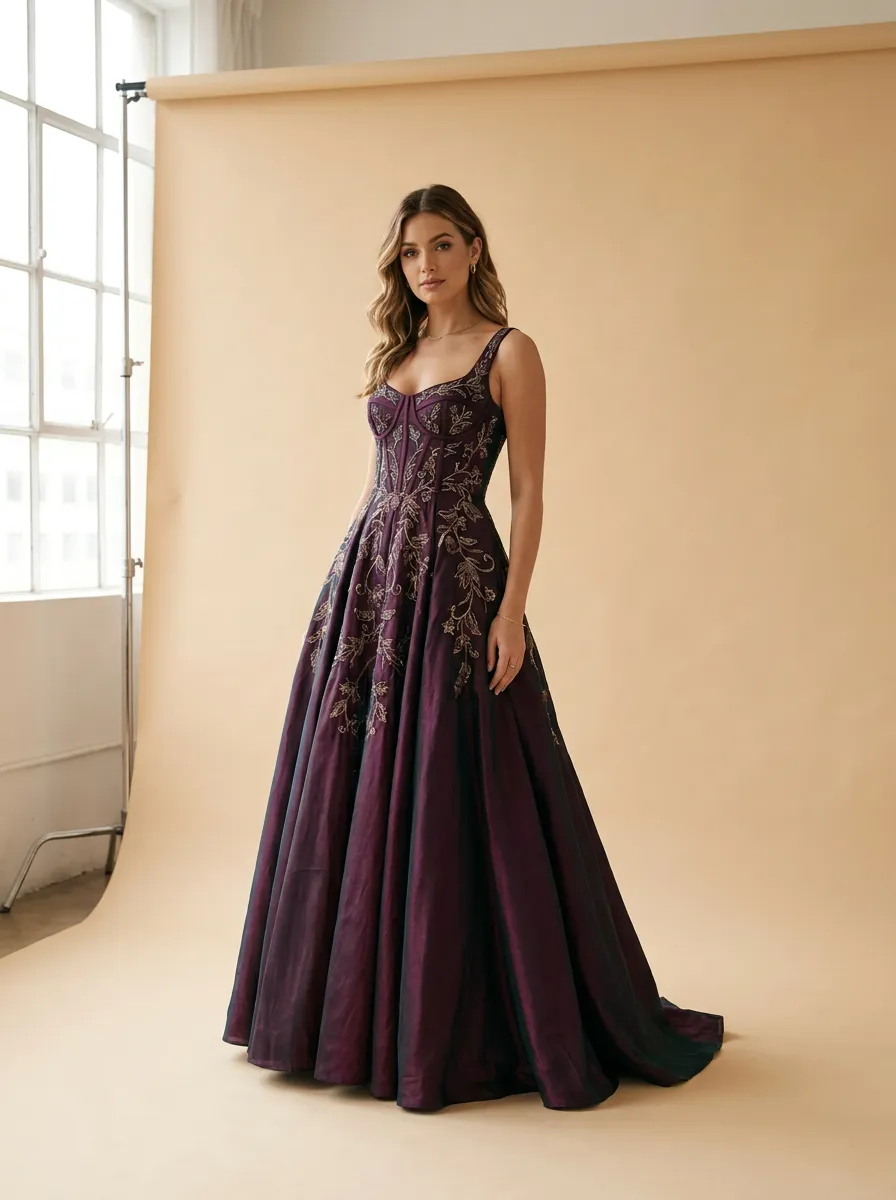
United States · Canada
Shares most garments with Europe and almost none of its occasions. The calendar is what makes it a separate market.
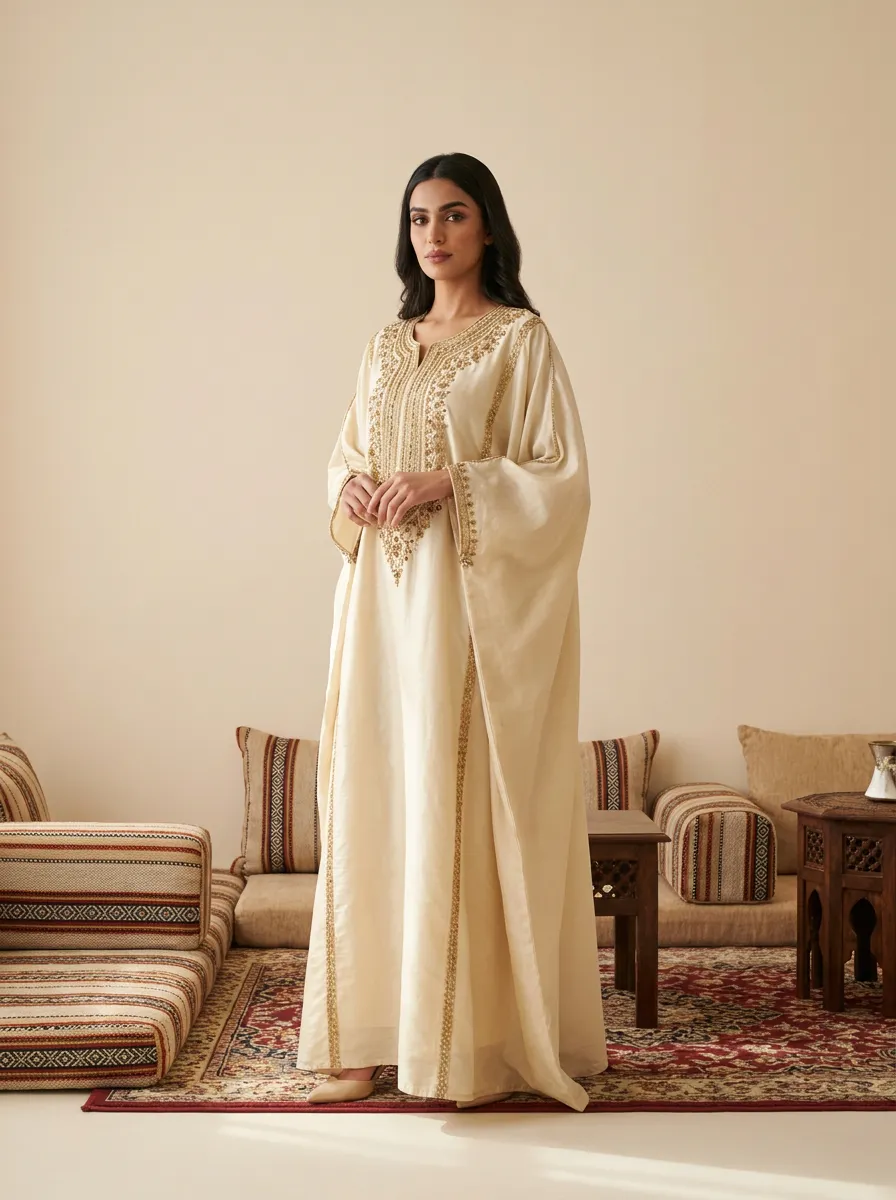
UAE · Saudi Arabia · Qatar · Kuwait · Bahrain · Oman
Where modest dressing is the default rather than a variant, and the garments are not Indian ones under other names.
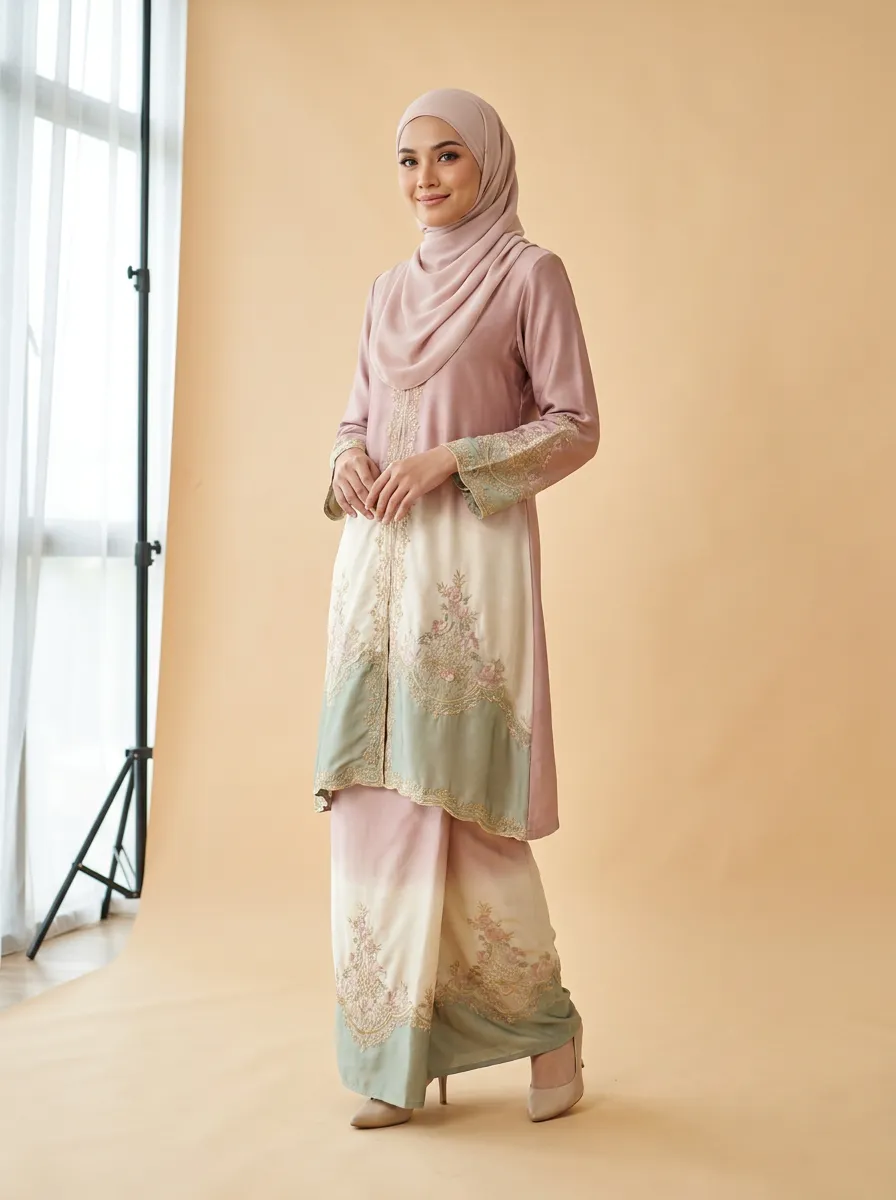
Malaysia · Indonesia · Singapore · Brunei
Modest and humid, with a strong garment tradition of its own and weaving crafts that belong to nobody else.
West · East · Southern · North
Four separate wardrobes under one market, seeded one at a time. Fifty-four countries do not share a wardrobe.
The whole of it, market by market — including the regions, the vocabulary each one holds, and what is deliberately left out of it.
Registration is closed while the last of the catalogue is finished. Ask for access and we will come back to you.